Intro
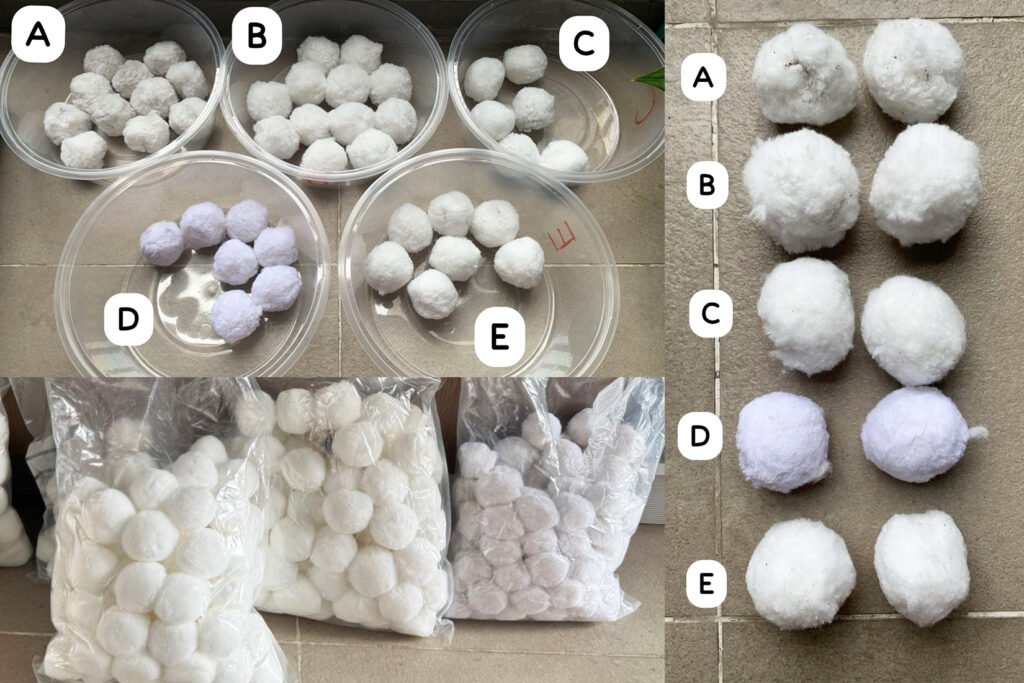
Many polyester fiber balls look similar on paper. The diameter may be the same, the material may be described the same way, and the packing may also look similar. But in actual use, the performance can still be very different. For buyers, this is where mistakes often happen. A product that looks acceptable in photos or catalog specs may perform very differently once it is used for filtration, cleaned, packed, and reused.
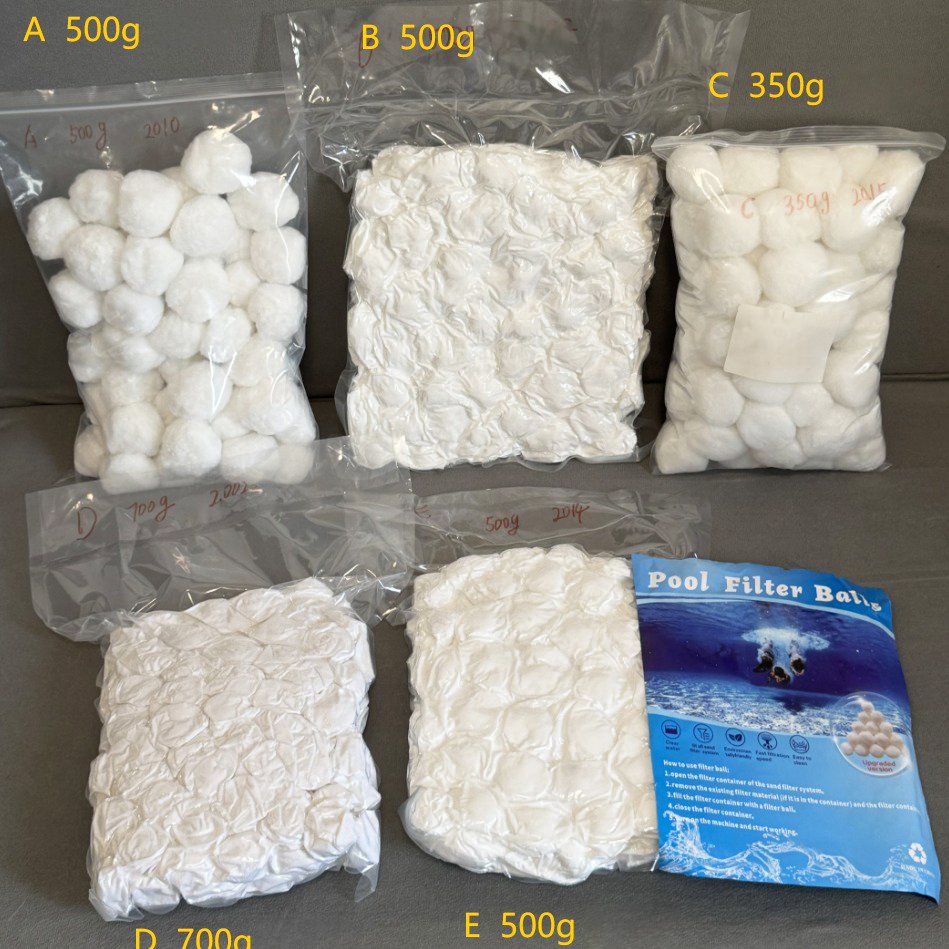
In this comparison, we reviewed samples from five suppliers under the same basic conditions to better understand where the real differences appear — and what buyers should pay attention to before placing an order.
Why This Comparison Matters
This is not a fixed-stock sales page. It is a sourcing reference based on sample comparison.
The purpose is not simply to say which supplier is “best,” but to show buyers what should actually be compared when reviewing similar-looking filter media from different sources. In many cases, the key difference is not the catalog description — it is how the product performs after filtration, cleaning, compression, and repeated use.
Sample Basis for This Comparison
To keep the comparison fair, the samples were reviewed under the same basic reference conditions below:
Diameter: 50 mm
Material: Polyester fiber
Density: 1.38 g/cm³
Filling Density: 70–90 kg/m³
Sewage Interception Capacity: 5–26 kg/m³
Specific Surface Area: 3000 ㎡/m³
Packing Method: Vacuum bag
What We Found at a Glance
Similar-looking samples did not perform the same in filtration, cleaning, or post-cleaning recovery.
Higher-density samples showed better results in our sewage and green-water tests, but that does not automatically make them the right choice for every application.
The better option depends on the actual filtration scenario, maintenance method, and reuse expectations.
Testing Process
How We Compared the Samples
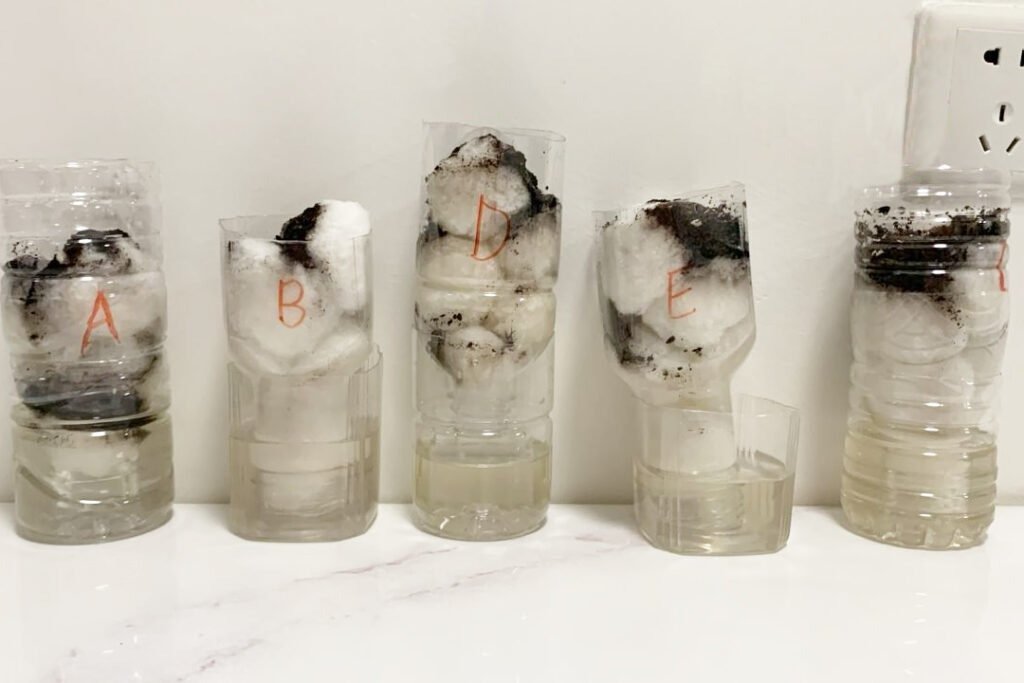
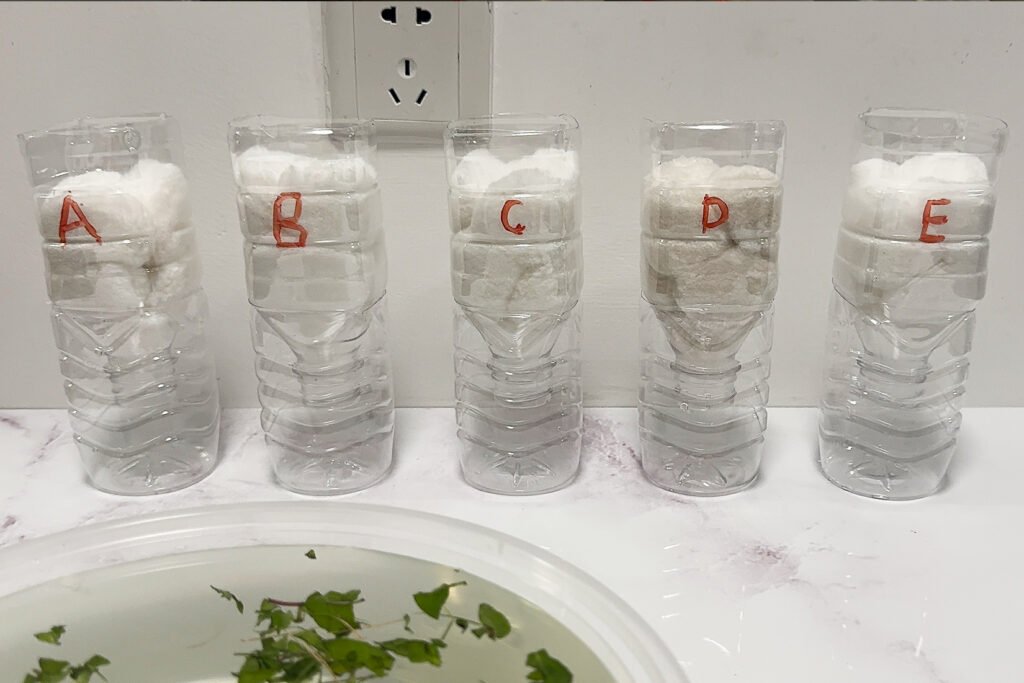
Step 1: Soil-Contaminated Water Filtration Test
We first checked how each sample performed when filtering soil-contaminated water under the same conditions.
→ Why it matters:
This gives a basic view of filtration performance and structural stability at the start of use.
→ What buyers should confirm:
Do not only ask for material or diameter. Ask how the product performs in actual filtration conditions, especially when the water contains visible impurities.
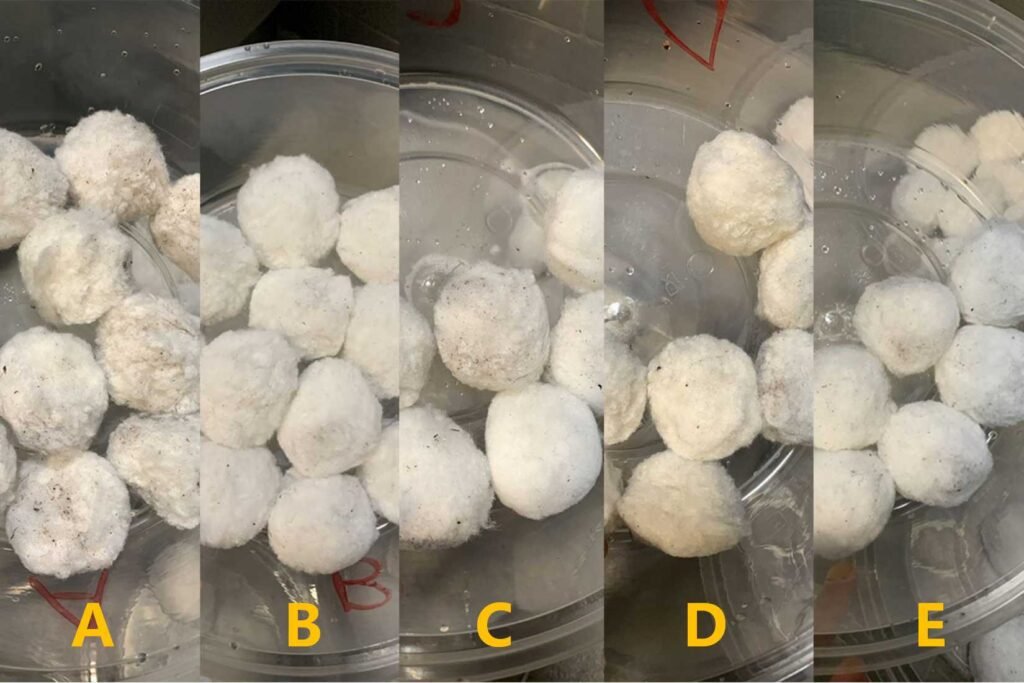
Step 2: Manual Cleaning Test
After filtration, we cleaned the fiber balls by hand to compare how easily the trapped dirt could be removed.
→ Why it matters:
If the product is difficult to clean, maintenance will become more time-consuming and costly during regular use.
→ What buyers should confirm:
If the intended application requires repeated cleaning, buyers should ask suppliers how the product behaves after washing, not just before use.
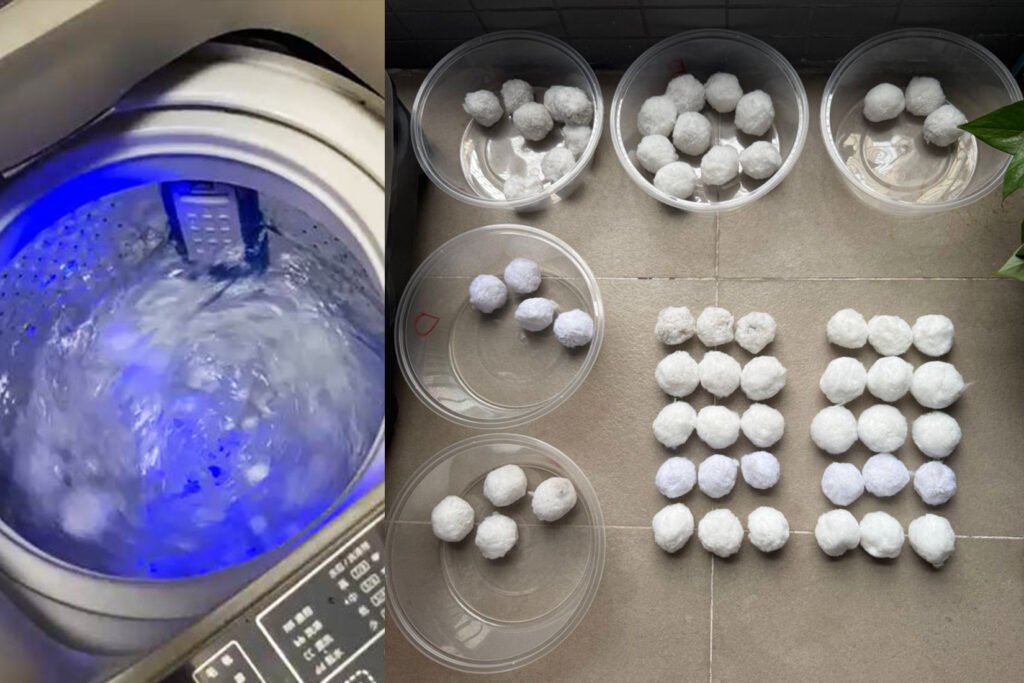
Step 3: Machine Wash Cleaning Test
We then simulated machine washing to observe whether the samples would deform, compact, or become damaged.
→ Why it matters:
This helps indicate whether the product can hold up under repeated maintenance.
→ What buyers should confirm:
For projects where service life matters, durability after cleaning is just as important as initial filtration effect.
Step 4: Post-Cleaning Recovery Test
After cleaning, we checked whether the fiber balls could recover to a fluffy and usable condition.
→ Why it matters:
Some recover well after washing, while others become more compact and lose part of their working condition.
→ What buyers should confirm:
Recovery performance affects repeated-use value. If the balls cannot recover well, replacement frequency may increase.
Step 5: Green Pond Water Filtration Test
We carried out another filtration test using green pond water with more organic content.
→ Why it matters:
This kind of test can reveal performance differences more clearly than cleaner water conditions. In our comparison, higher-density samples showed better results here.
→ What buyers should confirm:
The intended water condition matters. A product that seems acceptable in one test may not perform the same way in a more demanding filtration environment.
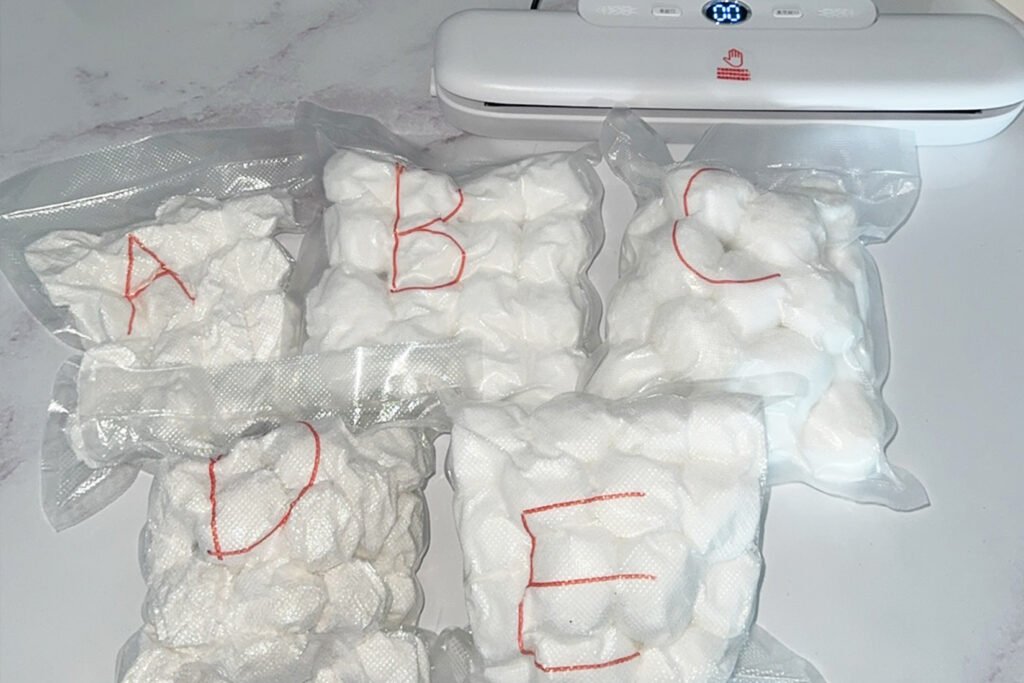
Step 6: Vacuum Packing for Shipping
After testing, the samples were vacuum-packed for shipment comparison.
→ Why it matters:
Compression during shipping is normal, but recovery after unpacking is important.
→ What buyers should confirm:
Packaging should not be judged only by space-saving efficiency. Buyers should also confirm whether the product can recover properly after transport and storage.
Related Filter Ball Options for Different Applications
If you are still comparing material fit or application suitability, these related options may also be worth reviewing:
→ For general water treatment and wastewater filtration applications.
→ A lightweight option often used in pool systems and easier to handle during maintenance.
→ Suitable for filtration scenarios where adsorption performance may also be required.
What This Means for Buyers
Our comparison across five suppliers showed a simple but important point: products that look similar in photos or basic specifications can still behave very differently in real use.
For buyers, this means:
· do not rely on catalog specs alone
· do not compare by photos only
· do not assume similar appearance means similar performance
· sample comparison is often necessary before bulk purchase
The right choice is not automatically the cheapest one, the densest one, or the one with the cleanest-looking quotation sheet. The better choice is the one that matches the actual filtration condition, cleaning method, maintenance expectation, and cost logic of your project.
This is also why sourcing support matters. In many cases, the real risk is not finding a supplier — it is choosing based on incomplete comparison.
Next Step
If you already have quotations or samples from different suppliers, you can share them with us. We can help you compare the differences more clearly before you move forward. If you are still at an early stage, we can also help you shortlist suitable product types, compare supplier options, and identify potential risks before order.
The goal is not to push a standard product. It is to help you make a more informed sourcing decision based on your actual needs.