
Importing from China FAQ
Common Questions Buyers Ask
Quick answers to the sourcing and importing questions buyers most often raise before moving forward.
Q1. What kinds of products can you help source?
We support sourcing across a range of product categories, including solar products, EVs, motorcycles, and industrial equipment — but we are not limited to these. If you already have a product in mind, send us the details or specifications and we can help assess the most suitable sourcing direction. You can also explore our Sourcing Categories page for reference.
Q2. Can I order small quantities or request customization?
Yes, in many cases we can support smaller orders, product adjustments, packaging changes, branding, or other customization requests. The actual MOQ depends on the supplier and product type, but we always try to negotiate with flexibility in mind — especially when buyers are testing the market or starting with a smaller project scope.
Q3. How does the China sourcing process work?
You share your product needs, quantity, specifications, or reference materials, and we help move the process forward from there. Depending on the project, support may include supplier search, verification, sample follow-up, production coordination, inspection, and shipment preparation. If you want a clearer overview, you can also visit our Solutions page.
Q4. How do you help check product quality?
We help buyers reduce quality risk through supplier review, production follow-up, and pre-shipment inspection support. When needed, third-party inspection can also be arranged. We can also share inspection photos or videos before shipment so buyers have clearer visibility before goods move forward.
Q5. What if I need to change something after placing an order?
We stay in contact with suppliers throughout the process, so if adjustments are needed, we help communicate them as early and clearly as possible. Whether the change is feasible depends on the production stage, but we always try to coordinate quickly and reduce unnecessary disruption.
Q6. How do you help keep pricing competitive?
We compare suppliers, review quotations more carefully, and look beyond the headline price to understand real cost differences. The goal is not only to find a low number, but to help buyers get better overall value through stronger supplier matching, clearer cost visibility, and better follow-up.
Q7. How do your service fees work?
Our service fees depend on the scope of the project. In some cases, we can quote individual support stages separately; in other cases, we may suggest a more complete package depending on the buyer’s needs. We always explain the fee structure clearly before moving forward, so expectations stay aligned from the start.
Quick Answers for Importing from China
A few practical topics buyers often want to understand more clearly before making sourcing decisions.
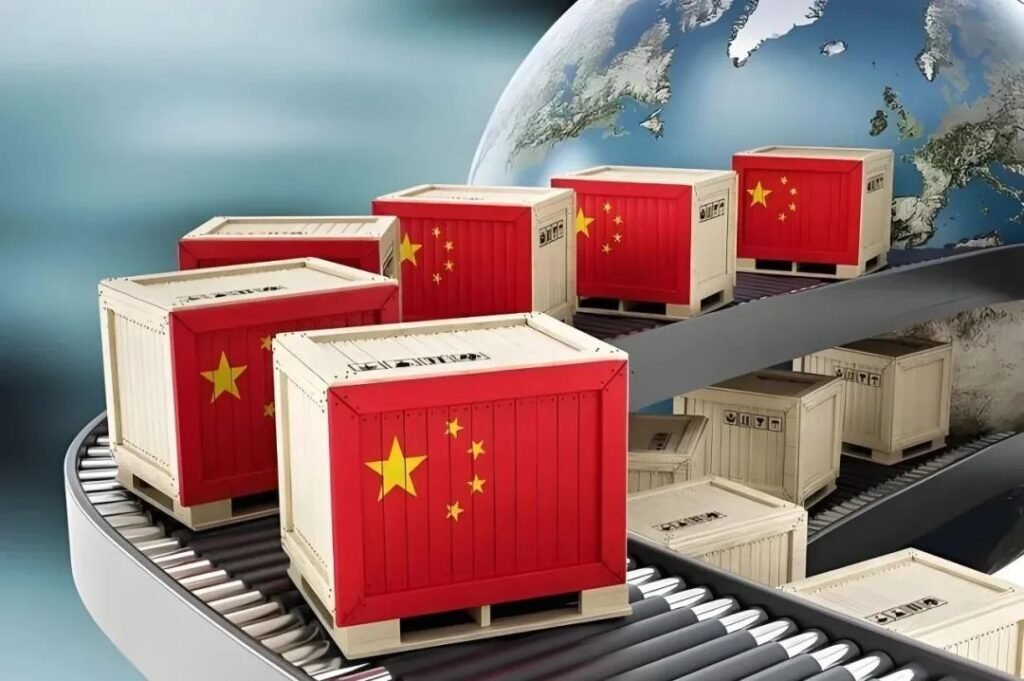
Why Import from China?
China remains one of the world’s most important sourcing bases because of its manufacturing depth, supplier variety, and flexibility across many product categories. The advantage is not only pricing — it is also the ability to compare options, customize products, and build supply around different project needs.
Factory vs. Sourcing Partner — Which Fits You?
Working directly with a factory can make sense when specifications are clear and order volume is stable. A sourcing partner becomes more useful when buyers need supplier comparison, follow-up, inspection coordination, or support managing multiple moving parts.

Is Importing Worth It for Your Market?
Importing makes more sense when product demand, cost structure, and market positioning are clear. The real question is not only whether importing is cheaper, but whether the full sourcing and landed cost still works for your target market.
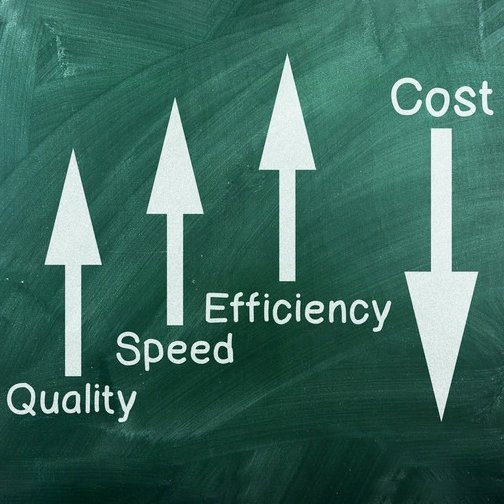
What’s the Real Cost to Import?
The real cost of importing is not only the product price. Buyers also need to consider packaging, inland freight, customs-related costs, inspection needs, destination fees, and shipment method.
Are Sourcing Fees Fair?
Service fees make sense when the scope of support is clear. A good sourcing partner should explain what is included, how fees are structured, and where the value comes from.

Sea or Air Shipping?
The right shipping method depends on urgency, cargo size, product value, and budget. Sea freight usually fits larger or less urgent shipments, while air freight is more suitable when speed matters more than cost.
What’s a Shipment Really Cost?
Shipment cost depends on more than freight alone. Volume, weight, destination, packaging efficiency, route, and service terms all affect the final result. A proper estimate starts with clear product and packing details.
Importing from China Checklist
A simple checklist to help buyers stay organized before placing and shipping an order.
01
Define Your Product Specs Clearly
List exact details like size, material, color, quantity, and packaging. Clear specifications help suppliers avoid mistakes and save time later.
02
Know Your Market’s Requirements
Check whether certifications or standards apply to your market, such as CE or other local requirements. This helps reduce customs issues and builds buyer confidence.
03
Ask for the Right HS Code
A correct HS code helps buyers estimate duties and prepare basic import planning more accurately before shipment.
04
Compare Air & Sea Freight Options
Shipping method affects cost, timing, and cargo planning. Compare urgency, cargo volume, and budget before choosing.
05
Get Samples Before Production Starts
If possible, review a sample before full production. This gives buyers better visibility into quality, details, and whether adjustments are needed early.
06
Clarify Payment & Risk Terms Upfront
Agree on payment terms, delivery expectations, and responsibility points before production begins. Clear terms reduce confusion later.
Need Help Beyond the FAQ?
If you still have questions about sourcing, shipping, product quality, or how to move forward with a project, we can help you assess the next step more clearly.