Finding Chinese suppliers is easy. Turning those options into a workable purchase is the harder part.
Today, a buyer can find dozens of Chinese factories before lunch. Alibaba, Made-in-China, Google, trade fairs, factory websites, social media and direct referrals have made supplier information easier to access than ever before.
That raises a fair question: If factories are already easy to find, what exactly is a sourcing company being paid for?
If the answer is simply “we know factories,” then probably not very much. Finding a supplier is often the easiest part. The harder part starts when you try to make the purchase actually work.
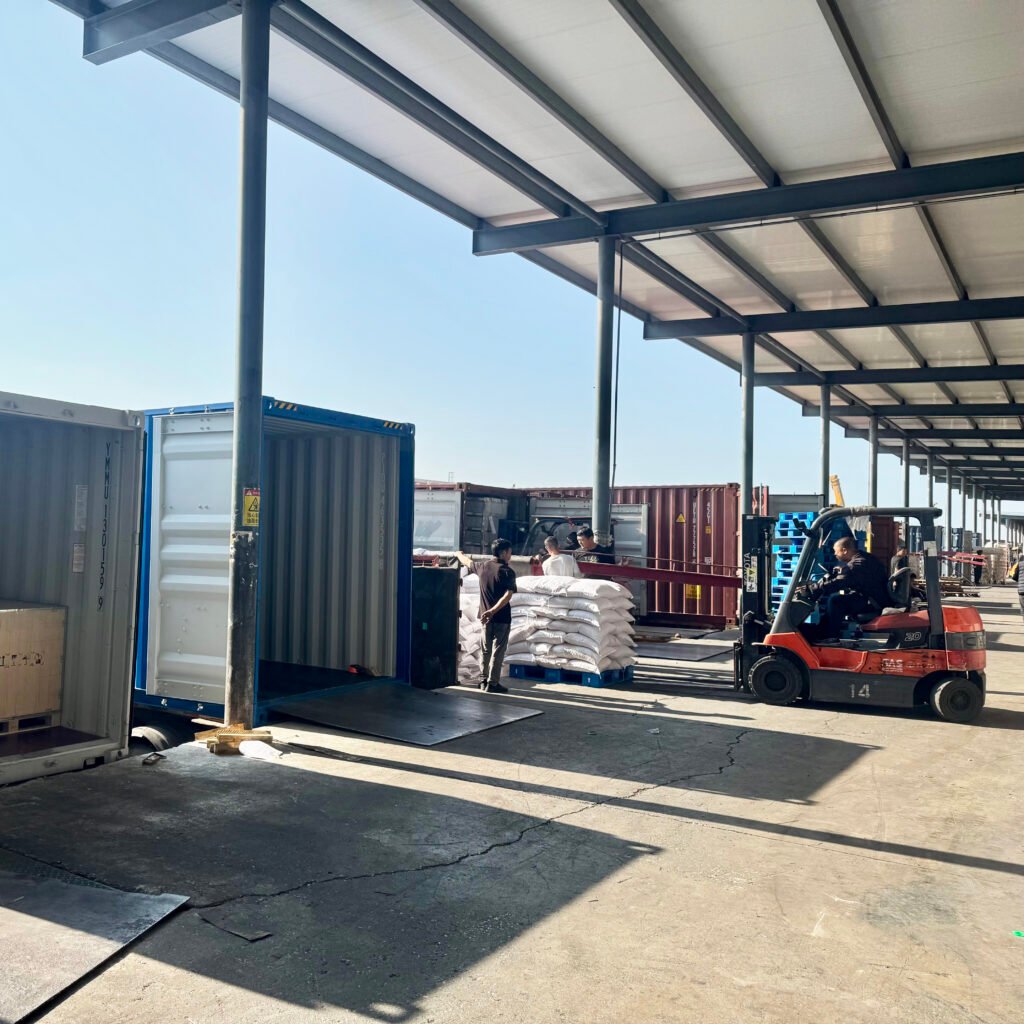
01 Finding Factories Is Usually the Easy Part
Most sourcing projects look straightforward at the beginning. You send an RFQ, several factories reply, prices arrive, and a few options seem competitive.
Then the differences start to matter.
One supplier offers the lowest price, but its minimum order quantity is five times what you need. Another accepts the quantity but cannot provide the documentation required for your market. A third has the right product, but its production schedule cannot meet your delivery date. Another factory may be technically capable, but the payment terms, packaging requirements or customization quantity do not fit the project.
Suddenly, a list of ten suppliers is no longer a list of ten usable options. The first question was:
Who can make this product?
The more useful question becomes:
Who can supply this order under conditions that actually work?
Finding a factory creates an option. It does not automatically create a purchasing solution.
02 A Good Factory Can Still Be the Wrong Supplier
Buyers naturally look for strong factories.
Large production capacity, competitive pricing, modern equipment, established export experience and a recognized brand can all be real advantages. But those advantages also come with operating conditions.
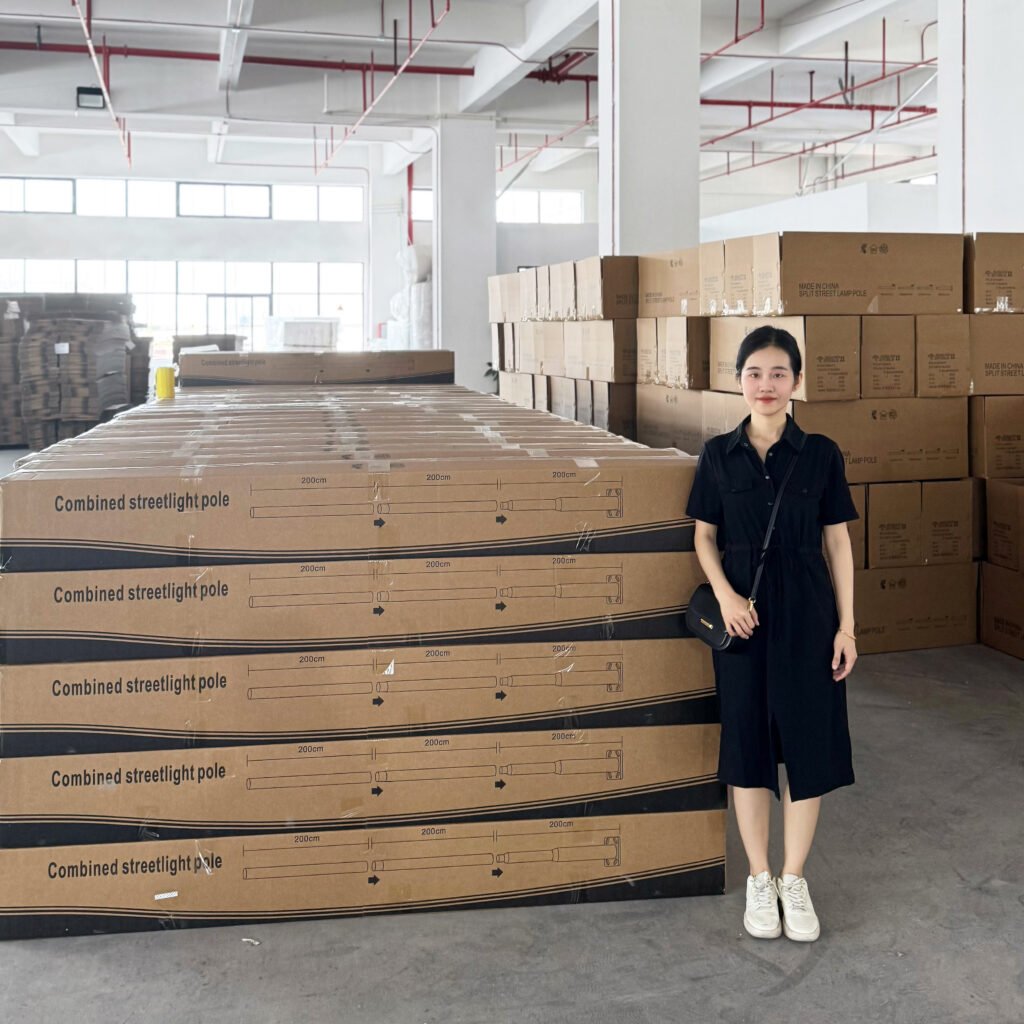
Imagine you need 500 units for a first order.
Factory A is larger and cheaper, but its MOQ is 2,000 units. Factory B costs slightly more, but accepts 500 units and can meet your schedule. Which supplier is better?
There is no useful answer until the purchase conditions are defined. A strong factory can still be the wrong supplier if its MOQ, customization policy, payment terms or market restrictions do not fit the order.
The best supplier is not always the strongest factory. It is the supplier whose conditions fit the purchase.
03 Sometimes There Is No Information Gap at All
There are also situations where the traditional explanation of trading as an “information gap” no longer makes sense.
The obstacle may be a regional distribution arrangement, an unacceptable MOQ, payment terms, certification requirements, commercial restrictions or production conditions that the buyer cannot accept.
In that situation, introducing another factory name may solve nothing. The buyer does not need more supplier information. The buyer needs to understand what is actually preventing the transaction from working, and whether there is a legitimate way to solve it.
That may mean adjusting the quantity, changing the configuration, separating part of an order, finding an alternative supplier, coordinating several suppliers, or deciding that the purchase simply does not make commercial sense. There is no information gap to close. There is a transaction condition to solve.
04 The Most Important Requirement May Not Be in Your RFQ
An RFQ tells suppliers what you want them to quote, but it does not necessarily reveal what could stop the purchase from working later.
A buyer may spend days comparing unit prices before discovering that the real issue is MOQ. Another project may reach the sample stage before anyone confirms whether the required documents are available. A product may look technically correct until somebody checks whether the specification actually applies to the destination market.
Other constraints often appear only after quotation: payment terms, customization quantities, packaging, production timing, inspection requirements, destination-market compliance and shipment coordination. Several suppliers may all be ready individually, but their schedules do not line up for consolidation.
The RFQ explains what you want to buy. It does not always reveal what could stop the purchase from working later.
A lower price does not solve an unacceptable MOQ. A perfect product does not solve missing documentation. Another quotation does not solve a coordination problem.
Before asking for another quotation, ask what could actually stop the purchase. Sometimes supplier number eleven is not what the project needs.
05 A Simple Test for Any Sourcing Company
Being in the middle is not a business model by itself.
The value lies in what becomes possible because that party is involved. There is a simple way for a buyer to judge whether an intermediary is adding value: compare the purchase with and without that extra party.
What actually changes?
Are weak options filtered out earlier? Are commercial or compliance problems discovered before money is committed? Does a difficult MOQ become workable? Can several suppliers be coordinated into one shipment? If nothing becomes easier, safer or more workable, the buyer has every reason to question the fee.
Its value should come from removing a real obstacle, reducing execution risk, or making a difficult purchase easier to manage. This also means that a sourcing company is not always necessary.
If a buyer already knows the right manufacturer, understands the technical requirements, can meet the MOQ, accepts the commercial terms, has the required documentation and can manage production, inspection and shipment directly, buying from the factory may be simpler and more economical.
There is nothing wrong with that. The question is not whether an intermediary is involved.
The question is whether its involvement makes the purchase more workable.
06 Supplier Information Is Abundant. Workable Purchasing Solutions Are Not.
It has never been easier for buyers and manufacturers to find each other. Buyers have more choices, factories face more competition, and supplier information is more transparent.
But easier access to factories does not remove MOQ, compliance requirements, payment terms, production schedules, packaging problems or shipment constraints. Many of those problems only appear after the supplier has already been found.
That is why sourcing is not only about finding supplier names. Where an intermediary adds value, it is by helping turn available options into a purchase that can actually be executed — or identifying early when the conditions simply do not work.
Finding the factory creates an option. Making the conditions work creates the purchase.